It’s 4am.
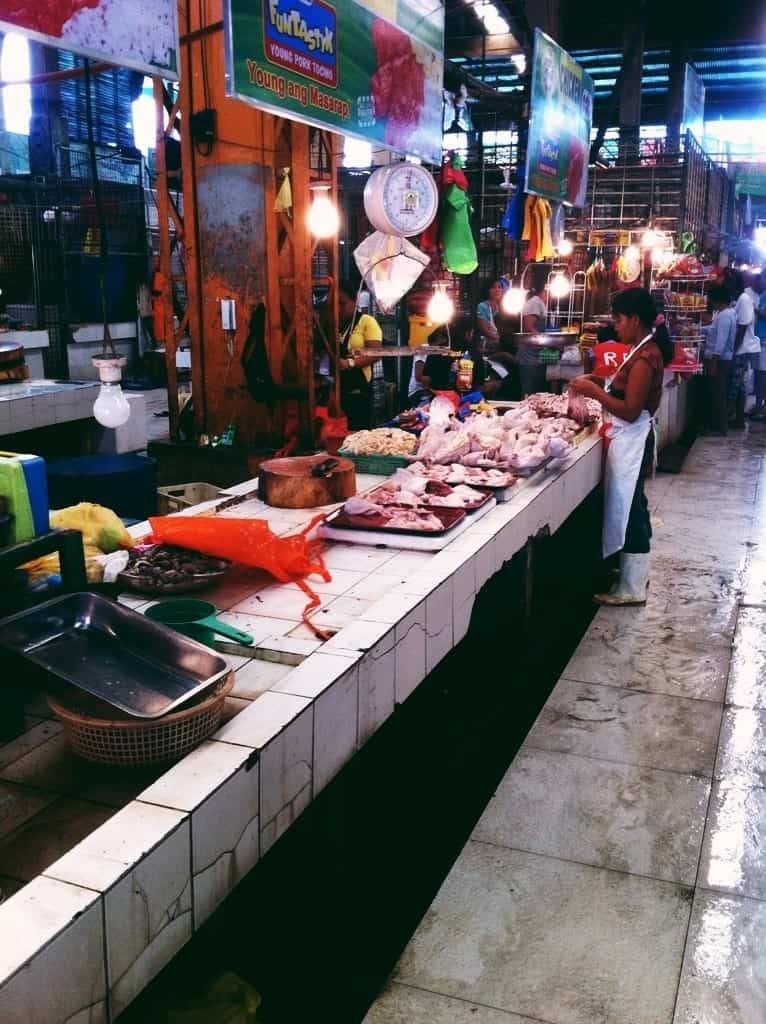
I’m sitting on a bench in the back of a big white van, smushed up against our house mothers, older kids, wooden crates, woven baskets, and neon plastic buckets. We’re making our way downtown into a mass of people, vegetables, and fish.
This is marketing. Like, a verb. Going to the market.
The Market Experience
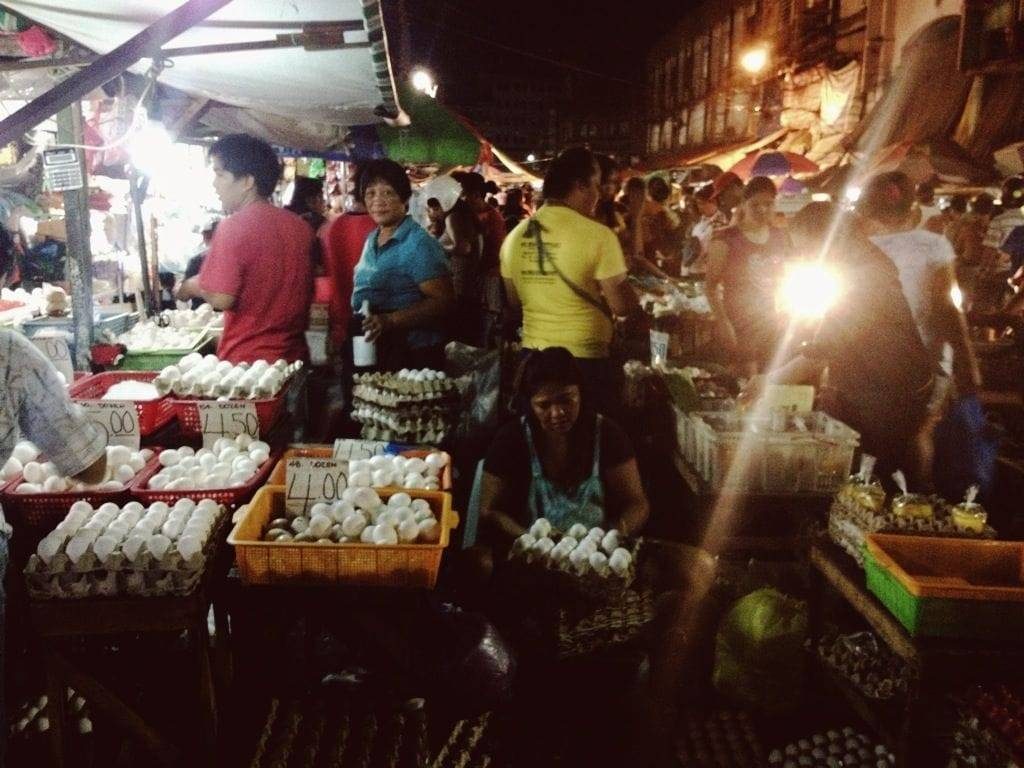
When we first came here, I had dreamed of sharing a really romantic, stunning post about the market, with lots of beautiful DSLR pictures of the fresh produce and shiny fish. But things didn’t quite pan out like I had expected. When the aunties and uncles warned me not to wear my wedding ring into the market, I realized that bringing the big ol’ DSLR was probably overkill. So here’s the market experience via my iPhone, a little rougher and less polished than what I had imagined, but real.
The house mothers from the orphanage agreed to let us tag along for their 4-am-on-Saturday-morning market adventure.
The expedition left early because it was cooler (literally, the temperature was cooler) and less crowded. We followed them around, just be-bopping through alleys and busy market intersections to find their favorite vendors and directing the older kids for where to bring the buckets of food.
You know what? Grocery shopping for an entire orphanage is not easy. Remember when I could barely find five ingredients for my own dinner? I don’t know how they do it. These women are amazing.
When I lived in Spain I had a made a hobby of checking out the markets throughout the cities that we visited. I went crazy with pictures of jamon serrano, bought at least fifty cutesy-designey little jars of saffron, and sampled lots of olive oil. With lots of bread.
Markets are a food lover’s paradise.
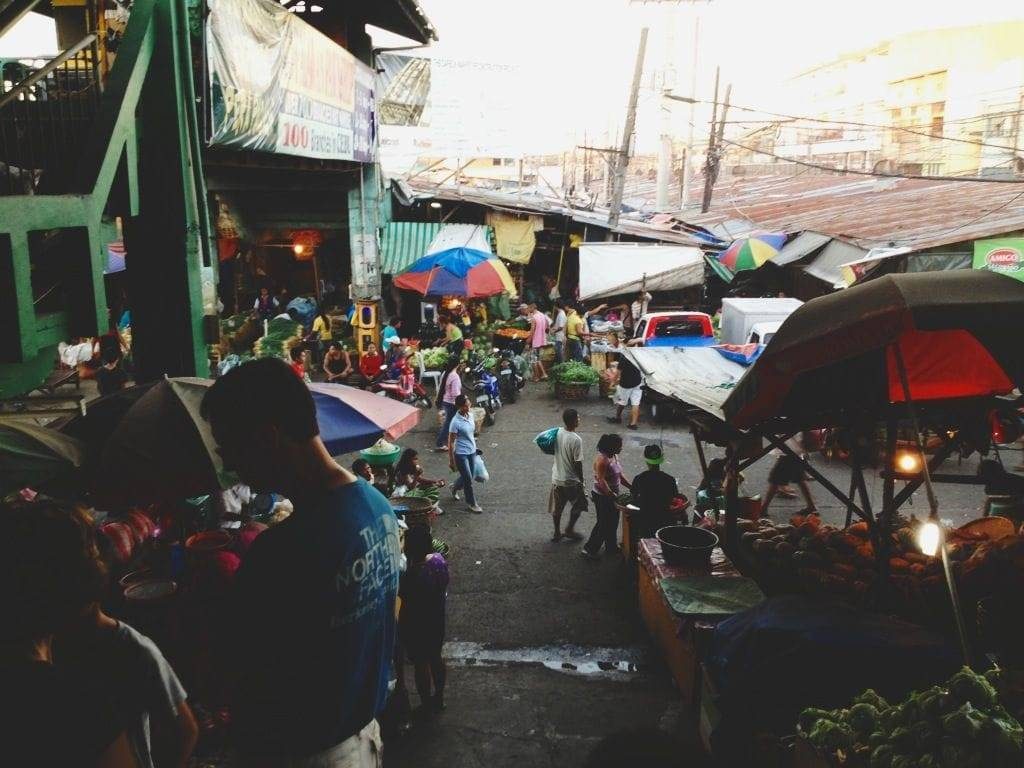
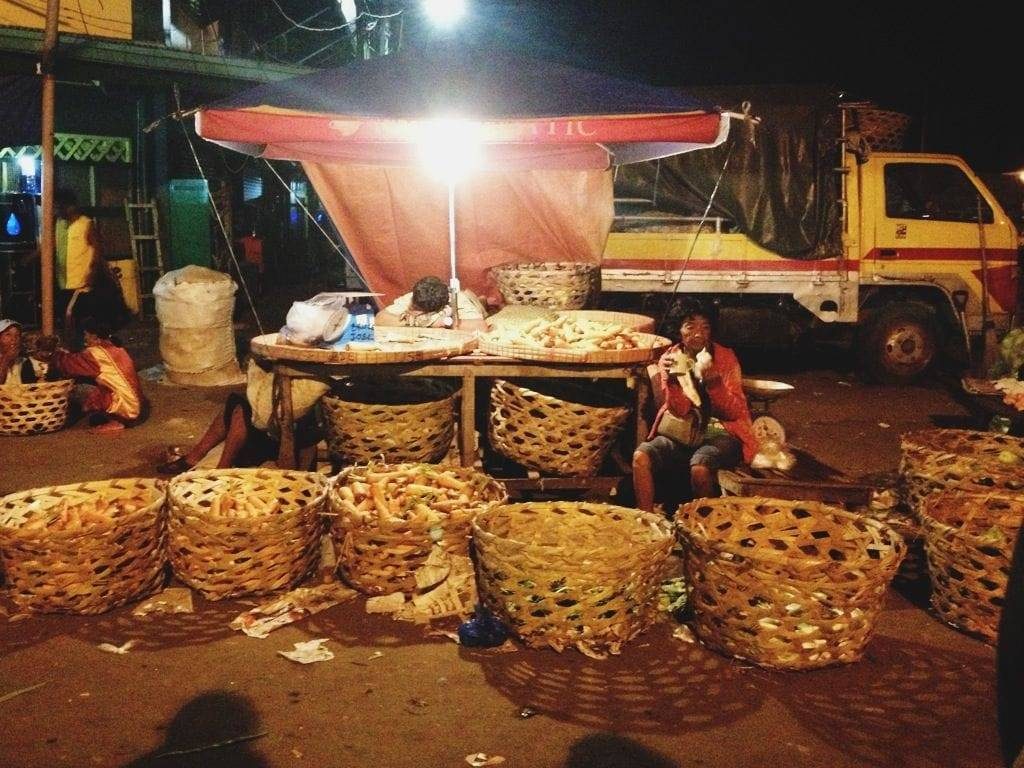
But even for a food lover, the reality is that hobby-shopping at the market and taking foodie pictures is different than the reality of living in the poverty of the market. And that’s what struck me most: literally how many people live in this downtown market. I saw as many people sleeping on boards, or tables, or the street, as I did people awake and selling things.
I don’t want to get too intense here, but I can’t not think about this: that people all over the world live without things that people in wealthier nations consider necessities. Beds. Cars. Refrigerators.
And since I’m writing to a mostly Western food crowd, can I just say that it overwhelms me to consider not only the quantity but the quality food choices that we have to choose from at any given time – bright, crispy, clean, healthy, even organic – when some people don’t even have access to safe water.
Water.
My food loving brain and my deep thinking brain clashed a little bit in the market.
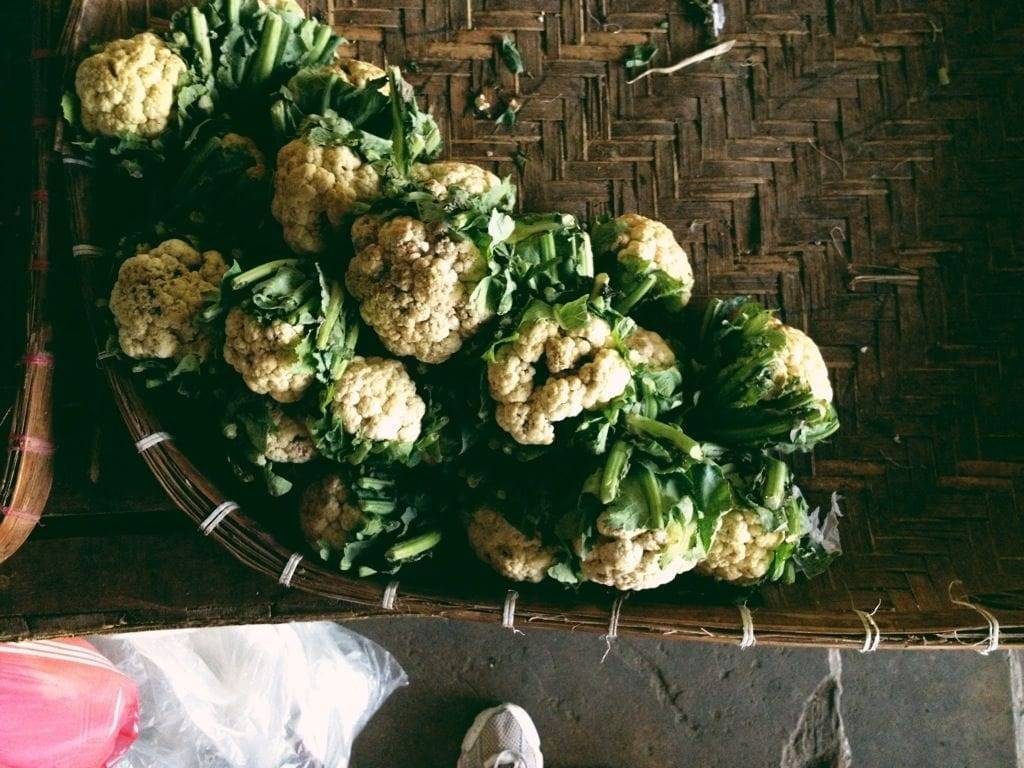
Oh, hey. There’s my shoe.
The market is bustling. It’s alive. It’s saturated with culture. It provides me with mini heads of cauliflower so I can make healthy fettuccine alfredo, thank you very much.
It forces me to push my limits of heat and smell and heart overload.
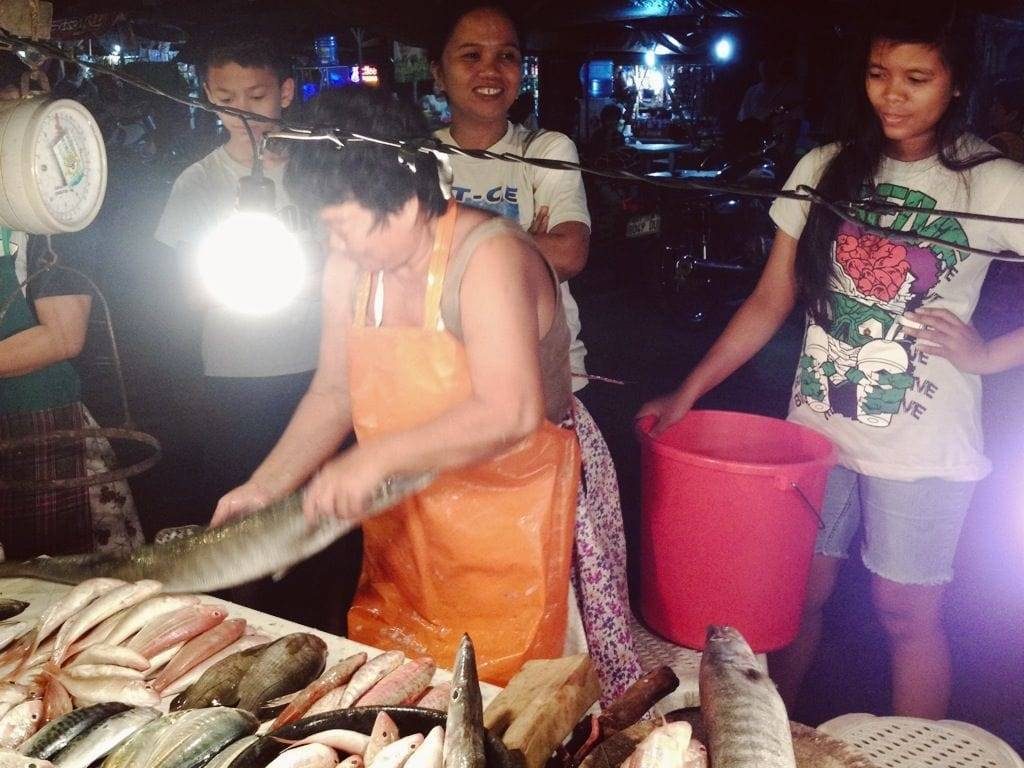
And it finds me head-to-head with an octo.
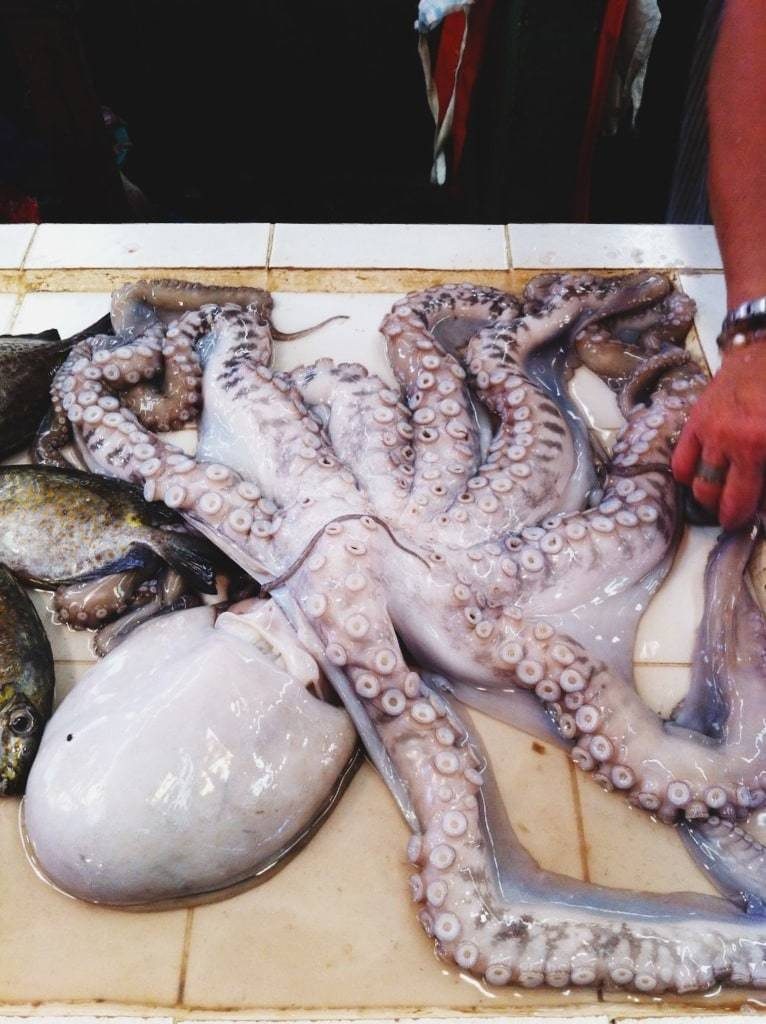
Surprise! There she is.
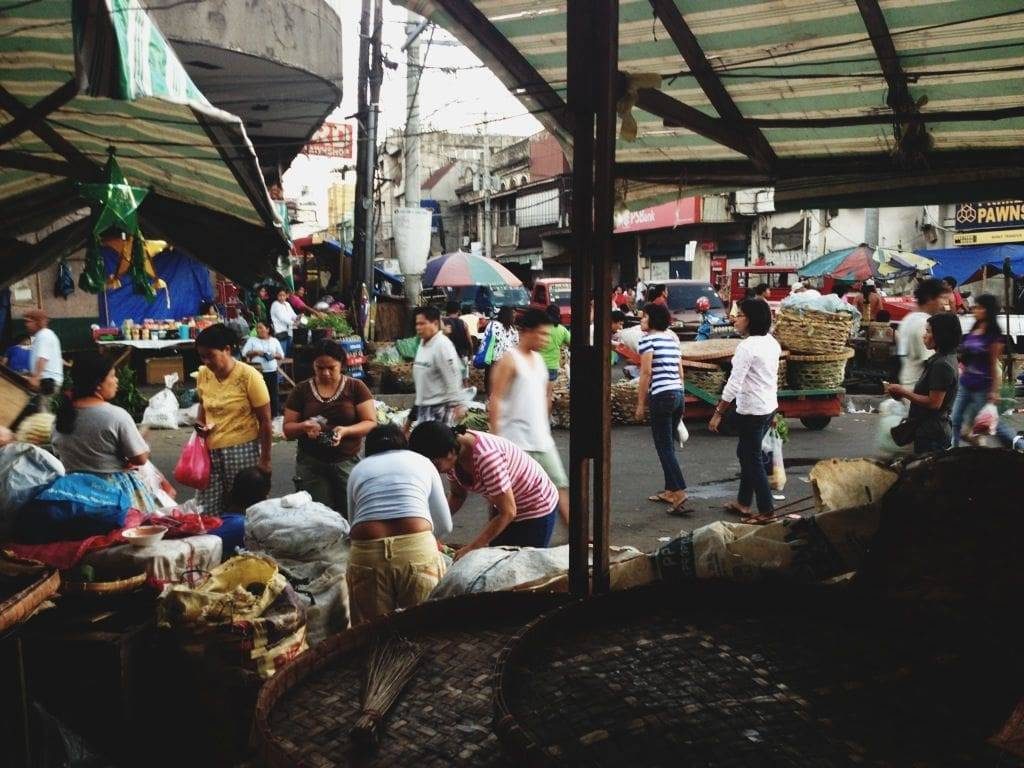
The sun started to come up just as we were leaving.
We rode home in the same white van, except this time I had a warm pandesal in my hand and several watermelon rolling around at my feet and the smell of fish soaked into my clothes. I went home, made myself a little peanut butter toast, and went back to bed.
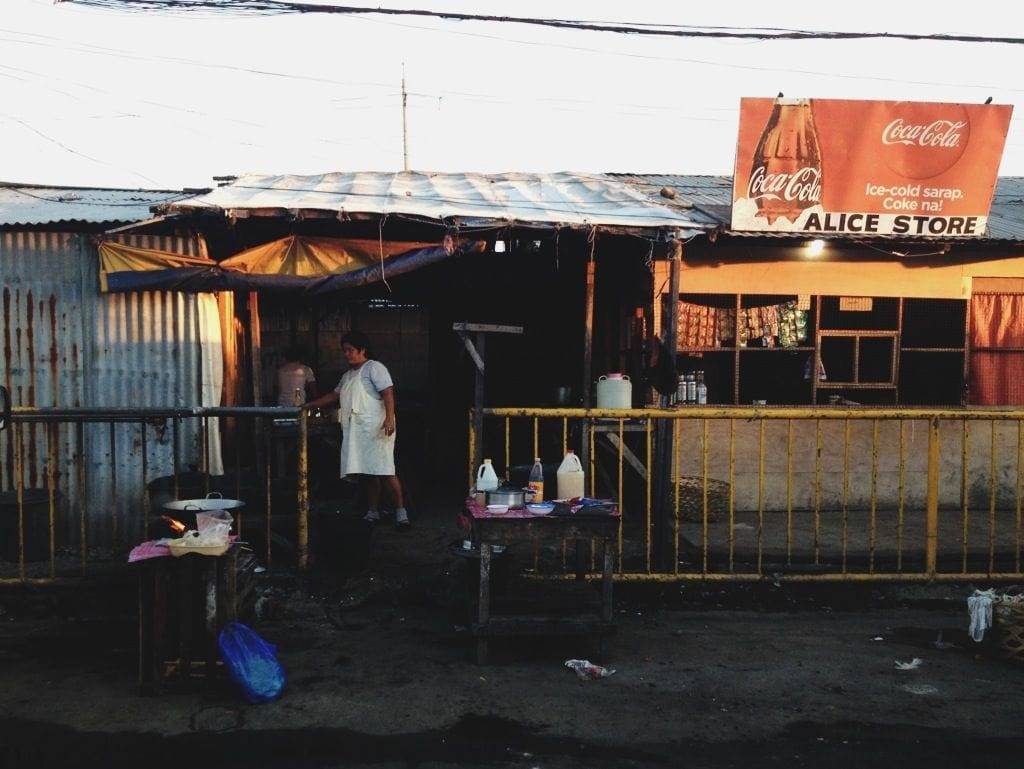
So there’s the market for ya.




Hi Lindsay,
I just discovered your blog and I love it. Your blogging resources are wonderful and the recipes are beautiful. You life seems so oddly similar to mine. I went to college in Minneapolis and did a year of my internship in the Philippines in 2000 working with youth in the province of Isabela. Your wonderful pictures brought so many memories. It was a tough but great year for me. I live, teach and blog in London now. I “liked” your page on Facebook to stay updated. Cheers, Julia
That’s great – thanks Julia!!
The nicest market I’ve been to in the Philippines is the produce market in Baguio City way up north. Google images of “Baguio City market”.
The weekend markets in Makati and other parts of Metro Manila are even nicer and more varied in terms of what they sell but aren’t the “real thing” if you know what I mean.
Thank you for this post. When I’m food blog hopping and see ingredients that arent available here in the Philippines I get sad and envious on the bounty that is there in your country. But this post made me realize that I have a lot to be happy and thankful about. I have clean water. And it’s true what you said, some have no access to even that.
Oh, the girls sleeping on the mats. . . . And what Suzanne said. . . . I was just having a conversation with my friend about this – the poverty, yet the happiness in the worst of situations. It’s amazing to me. And inspiring, “happiness regardless” – we should all strive for that, right? Thank you for this post.
Thank you for this blog. I have just discovered it recently. I am glad I did. I see your heart in here and it’s beautiful.And I want to thank you for what you’re doing there.
I’m a Filipina now living in Australia. The markets there compared to here is such a huge difference. I have been to that market a few times when I went to university there in Cebu. My friends and I would wear our daggiest clothes when we went there so we could blend in. You’ve reminded me of the smells and the heat.
But the thing that stands out for me is that no matter how poor they are, they are happy. They find happiness in even the smallest things. They can even still smile in the most trying times and that makes me proud to say I’m Filipino!
If you’d like Filipino recipes, google Panlasang Pinoy. When I miss a particular dish, I find it there and it’s usually spot on 🙂
xox
Thank you for your thoughtful comment Suzanne! I was just looking at that site the other day… I’ll have to print some of the recipes! 🙂
Great post. Honest pictures. Honest voice. Honest reality. I am inspired by the leap of faith you and your husband took to go experience this “other” reality outside of the abundance and yet lack of abandonment that exists in the States. I truly appreciate the posts you share to put everything in perspective. The food pics are always marvelous as are your recipes, but the message you convey about this market and those you live to serve down there are what feed the soul. Great work.
What a beautifully written, eye opening post. Thank you for sharing your experiences like this, I love the gritty iPhone photos more than anything. Have a great day Lindsay!
Great post. The photos were telling. That phone is a great camera.
I’ve done some grocery shopping in those markets. It is a humbling experience for sure.
Have you tried kamungay? It’s a green leafy vegetable often used by the poor and I’m sure you could find some at a market like this. One of my favorite native Filipino dishes has Kamungay with coconut milk and sometimes fish. I never did learn how to make it, but a few years ago I learned the English name for kamungay (Moringa) and how incredibly healthy it is. It’s a super food in same category as kale and spinach and has loads of nutrition.
Do you take recipe requests? If so, that would be on the top of my list. 🙂 I’m sorry I don’t remember the name they used, I had it for the first time on Negros near Dumaguete and again when I was in Toledo, Cebu. I believe it’s a regional dish because my friends from Luzon didn’t seem familiar with it.
Thanks Melissa! I have tried kamungay once – I am trying to remember now what I used it in. Maybe a stir-fry? Anyways, thanks for the request and I ask the aunties at the orphanage if they have any good ideas for how to prepare it! 🙂
Wow, that was such a cool post to read! I felt like I was there with you (wish I was)! Pretty jealous! I love all your stories!
I’m usually miss silent reader over here, but there is so much I want to comment on that I couldn’t control myself this time. First and foremost, I am so thrilled that you are enjoying your time in the Philippines. Half of my family is Filipino and although I haven’t had the pleasure myself, I have heard many, MANY wonderful things about this particular group of islands (and their people). Thank you for sharing your adventures with all of us in such a way that we feel like we are a part of your journey. Secondly, what a market! You bring up a great point – these people have a variety of healthy, natural food yet they struggle to get clean water. Something needs to change there – it’s a head shaker.
And thirdly (and lastly!) … octo!
That is an incredible place. I’m so happy that you took the time to take pictures and share the story of the market. I can’t imagine shopping for an entire orphanage in one market. It reminds me how spoiled I am!
When my Filipina wife and I retire there in a few years, we plan to move to Negros, the big island just west of Cebu. While we won’t be working at an orphanage, we do want to plan out some sort of business that we can start and utilize local Filipino talent and labor. Teach them my cooking and baking and business experience, create a livelihood, start up some local farmer’s markets in the tonier (so to speak) areas we will be living in (to us, straight up middle class; to the locals, we’re the frickin’ one percent), then give away the business when its time.
Your work at the orphanage is inspiring. The saddest thing about returning to the states was that many friends weren’t as interested in hearing about life overseas–and of course, those ‘friends’ faded out of our lives as we had changed and they, in their sweet domestic lives– had not.
Hi Lindsay,
That’s what I miss here in Northern Virginia, the fresh fish, seafood, jumping shrimps. There’s lot of that in Quezon City, a suburbs of Manila. Even the marina fish market in Washington, DC, the fish are all on ice, no jumping shrimps. The Octopus is another thing I miss, but sometimes the Korean store have baby octopus which are good for the recipes I know. Thanks for sharing these photos.
Jean
Its as real as it gets, and the photos speak a thousand words! er, what’s pandesal?
It literally means “salt bread”, but it’s basically like a soft, white dinner roll.
What an experience. You will remember this for the rest of your life and can share your experiences with friends and family since you blogged about it for ages.
It’s always an eye opener to see markets in other countries….a trip to Mexico we stopped in Acapolco and went for a walk, several streets from the water front….and the little markets were interesting…chickens hanging along the front and all the pretty flowers….we are spoiled here…
Love this! In a world where we complain about snow in April, we still have the heat to keep ourselves warm and good food to eat. Its good to be reminded of how spoiled we really are and everything we have to be thankful for. Thanks for sharing 🙂
Thanks Stephie 🙂
Again, thank you for bringing me back home. I miss and love “palengkes” (and all the hustle and bustle). I am slowly perusing your blog since i just discover it this morning. 🙂 Take care!
I love this post Lindsay. Visiting markets in foreign countries is one of my favorite parts of traveling, it is a real peek into life in that city/part of the world I think.
Thank you for sharing this post with us. It’s humbling just to read about the experience so I can only imagine what visiting the market (or being a regular visitor or even resident) must be like. That’s real life right there!
Hi Lindsay,
Googling lentil recipes led me to this site and I’ve been looking forward to your posts since
then. I was born and raised in the Metro Manila area but now lives in the U.S.
The pictures of the market above remind me of the same market my mother and I would go to every week. I can still remember our favorite vendor booths and the smell! I would
probably have described it then with indifference since it was just part of the place I grew
up in, the only world I knew. We could only look at the sparkling clean grocery stores
from outside, as they were impossibly expensive for us. I have been blessed with a convenient life now but also with a past that would pull me back a bit every now and then to give me a different perspective. I treasure my life there and I hope to never forget how difficult it was (and still is for a lot of people). You’re doing a great job giving back and you
inspire everyone! Don’t feel too sad. Look at the 6th photo, ma and grandma are smiling.
Maybe they see a silver lining — they’re all together earning an honest living. Maybe they haven’t lost hope and see a brighter future ahead, just like I did.
God bless you and your family!
Hi Rb! Thank you for sharing your incredible story. I ran into the other room to read your comment to Bjork because I was so excited to hear from someone who understands (far more than I/we do) the dichotomy of these two worlds. And as for the picture of the ma and grandma smiling, I thought the exact same thing. 🙂 Thanks again! Really appreciate your comment.
Oh, and can you enlighten those of us who don’t know what is pandesal? Sorry, I have not clue 🙂
Hi Karen,
I’m a Filipina living in Northern Virginia. Pan de sal is a sour dough based and is normally eaten for breakfast in the Philippines. You can google recipe if you like kneading and baking your own bread. Otherwise, if there is a Filipino store in your area, Pan de Sal is always available because specially on weekends it good to eat in a leisurely way with the local sausage called longonisa which you can also find in the freezer section of a Filipino store.
Thanks.
Jean
Thanks, Jean! I will check it out. Sounds tasty!
Thanks for sharing this post, Lindsay. This brings me back to my first “Marketing” experience in Nicaragua. You are SO right. We often forget the poverty and the living conditions of so many people in other parts of the world. Here we are complaining about our own circumstances when most of the time, if compared to so many others, we are living as kings and queens. Thanks for reminding all of us to be thankful for what God has blessed us with and consider how we can maybe share some of that with others!